
5 Mistakes South African Restaurants Make When Buying Commercial Food Machinery
Operating a successful food business in Gauteng is an exhilarating, fast-paced venture. Whether you are running a bustling restaurant in Rosebank, a high-volume bakery in Pretoria, a boutique butchery in Soweto, or a growing catering service in Midrand, the quality of your commercial food machinery dictates your daily output. Your kitchen equipment is the literal engine room of your business.
However, acquiring high-performance commercial equipment can be a financial minefield for South African SMEs and food startups. With tight operating margins, unpredictable economic conditions, and the ever-present challenge of load shedding, making the wrong machinery acquisition choice can severely damage your cash flow.
To help you navigate these capital-intensive decisions, we have compiled the five most common and costly mistakes South African food businesses make when procuring commercial kitchen machinery—and how to avoid them.
1. Burning Critical Working Capital on Upfront Purchases
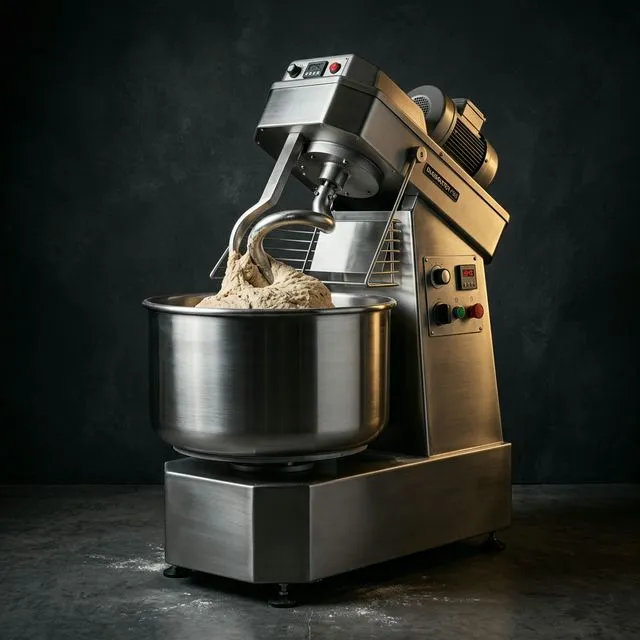
Perhaps the single biggest mistake made by Gauteng food entrepreneurs is buying heavy machinery outright. When you are setting up a new restaurant or expanding an existing bakery, it is tempting to want to "own" your assets. You shell out R80,000 for a commercial double-deck oven, R50,000 for a spiral mixer, and another R60,000 for high-capacity refrigeration units.
By the time your kitchen is fully equipped, you have wiped out hundreds of thousands of Rands in precious working capital. This is cash that should have been kept in reserve to manage daily operational costs, purchase ingredients, run marketing campaigns, or tide you over during slow trading months.
The Golden Rental Solution: Why buy when you can lease? With Golden Rental (Pty) Ltd, you benefit from zero capital outlay. Instead of spending your valuable cash reserves upfront, you preserve your working capital for daily operations while accessing top-tier, commercial-grade machinery immediately.
Industry Insider Tip: In the food industry, cash is king. An asset only generates profit through its use, not its ownership. Keep your cash in the bank to handle operational emergencies and use operational leasing to secure your equipment.
2. Overlooking the True Cost of Maintenance and "Load Shedding Wear-and-Tear"
In South Africa, we face unique operational challenges. Load shedding isn't just an inconvenience; it is highly destructive to commercial food machinery. The constant grid instability, sudden power outages, and high-voltage surges when the electricity returns put massive strain on compressors, heating elements, and electronic PC boards.
Many business owners buy machinery without factoring in the ongoing cost of maintenance, specialized technicians, and replacement parts. When a commercial dough mixer or underbar fridge breaks down on a busy Friday night, a call-out fee and emergency repair can easily cost thousands of Rands—not to mention the lost revenue from downtime.
When you rent with Golden Rental, maintenance headaches disappear. We offer 100% maintenance and repairs covered under your lease agreement. If a machine experiences wear-and-tear or breaks down, our team handles the repairs swiftly, keeping your downtime to an absolute minimum without costing you an extra Cent.
3. Getting Locked Into Long-Term Agreements with No Flexibility
The culinary world changes rapidly. The menu that works for your eatery today might need a complete overhaul in six months. Alternatively, your business might experience dramatic seasonal demand spikes—such as caterers needing extra refrigeration capacity over the festive season in December, but not in quiet winter months like July.
Buying equipment outright, or signing a rigid 36-to-60-month bank finance lease, locks you into specific machinery. If your business model shifts, or if a particular menu item doesn't take off, you are stuck with an expensive, depreciating piece of metal taking up space in your kitchen.
To scale sustainably, you need agility. Below is a comparison of how different procurement options stack up when your business needs to adapt:
| Feature / Option | Outright Cash Purchase | Traditional Bank Finance | Golden Rental Lease |
|---|---|---|---|
| Upfront Capital Required | 100% of equipment cost | High deposit often required | R0 (Zero Capital Outlay) |
| Contract Flexibility | None (You own it forever) | Rigid 36 - 60 month terms | Flexible 1, 3, or 6 months |
| Maintenance & Repairs | Owner's full responsibility | Owner's full responsibility | 100% Covered by Golden Rental |
| Impact on Balance Sheet | Ties up capital as fixed asset | Increases company debt liabilities | Fully tax-deductible operating expense |
Golden Rental’s flexible short-term leases (1, 3, or 6 months) allow you to scale up or down based on your real-world business performance without getting trapped in long-term debt cycles.
4. Getting Bogged Down in Bank Red Tape and Financial Audits
When most South African food entrepreneurs try to get equipment financing through traditional commercial banks, they are met with a wall of bureaucracy. Banks typically demand three years of signed, audited financial statements, complex business plans, cash flow projections, and personal director guarantees.
For a young food startup, a newly established butchery, or a fast-growing dark kitchen, this level of paperwork is either impossible to provide or takes weeks to compile. While you wait for credit committees to make a decision, you are losing out on business and leaving hungry customers unsatisfied.
Golden Rental operates differently. We believe in empowering South African food businesses through trust-based approvals with NO audited financials required. Our streamlined, hassle-free approval process focuses on your business's current potential rather than your historical paperwork. Best of all, once approved, we guarantee same-week delivery across Gauteng, ensuring your kitchen in Johannesburg, Pretoria, or the East Rand is up and running in no time.
5. Buying Cheap Domestic "Alternative" Machinery
To save money upfront, some new kitchen owners buy domestic-grade appliances instead of commercial-grade food machinery. They purchase a household-grade mixer or a residential display fridge from a standard retail store, thinking it can handle the load of a professional kitchen.
This is a costly illusion. Domestic appliances are designed to be used once or twice a day. In a commercial environment, they run continuously for 12 to 18 hours. Within weeks, motors burn out, plastic gears strip, and warranties are instantly voided because the unit was used in a commercial setting.
Commercial-grade food machinery is built with heavy-duty stainless steel, high-torque motors, and robust components designed to withstand the brutal environment of a professional food business. By leasing commercial machinery through Golden Rental, you get access to top-tier, rugged commercial equipment that can handle high volumes effortlessly, without the premium purchase price.
Take Control of Your Kitchen’s Future with Golden Rental
Equipping your catering company, bakery, butchery, or restaurant in Gauteng shouldn't mean draining your bank account or getting bogged down in endless financial red tape. You deserve access to high-performance, commercial-grade machinery on terms that support your business growth, not stunt it.
With Golden Rental (Pty) Ltd, you can upgrade your kitchen today with zero upfront capital outlay, complete short-term flexibility, rapid same-week Gauteng delivery, and the absolute peace of mind that all maintenance and repairs are 100% looked after.
Ready to level up your food business? Contact the Golden Rental team today to find the perfect commercial machinery solution for your kitchen and experience hassle-free growth.